


Australia has been an important site of experimentation with deliberative democracy, particularly at local and state levels.
Citizens’ juries, panels and other deliberative processes have been used to involve communities in complex decisions about planning, infrastructure, budgets and public policy. These examples show that Australians can engage seriously with difficult trade-offs when they are given the time, information and support to deliberate.
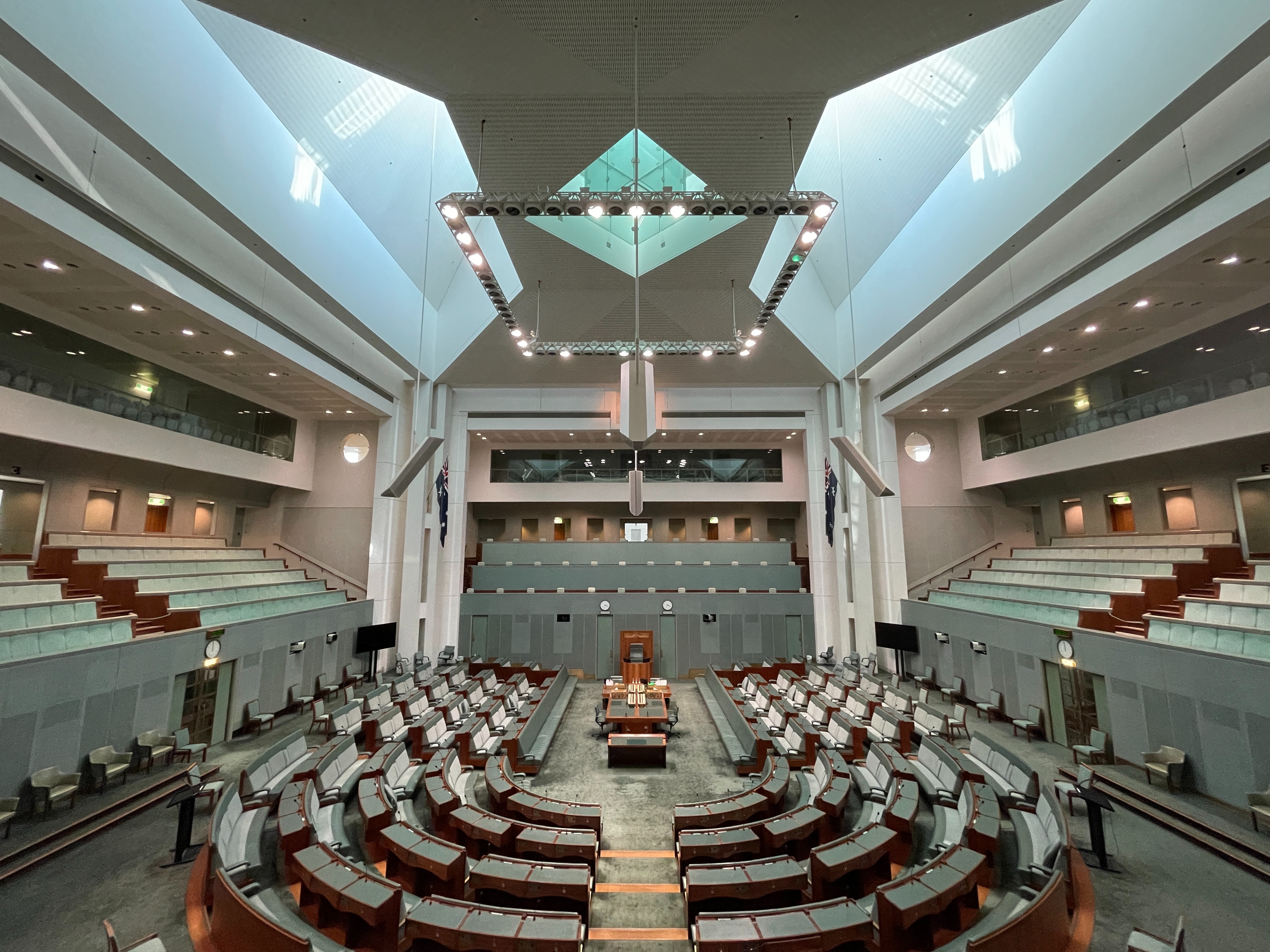
Yet at the national level, the picture is different. Australia’s federal parliamentary system has remained largely untouched by these democratic innovations.
Beyond the efforts of a small number of interested actors, there has been limited movement towards embedding more inclusive and deliberative forms of citizen engagement in the work of federal parliament.
This stands in contrast to growing international interest in national-level deliberative processes. In Ireland, citizens’ assemblies have helped shape major constitutional debates, including marriage equality and reproductive rights. In Germany, the national parliament has convened citizens to advise on democratic renewal.
Citizen deliberation does not weaken representative democracy. It can help representatives govern with deeper public insight.
These examples show how national parliaments can use deliberative processes to bring citizens into major public questions without weakening representative democracy.
Deliberative citizen engagement at the federal level would give Australians a more meaningful way to contribute to major national debates, including issues such as climate policy, constitutional reform and long-term social change.
It could also help close the trust gap between Canberra and communities whose experiences are often overlooked in national decision-making, including regional and remote communities.
Rebuilding trust requires practical ways to connect everyday Australians with national decision-making.
Without stronger pathways for engagement, confidence in federal democracy is likely to continue weakening. Rebuilding trust requires more than small institutional adjustments. It requires practical and proven ways to connect everyday Australians with federal decision-making.
There is strong public interest in deeper involvement in political decision-making. But one of the main barriers to embedding deliberative citizen engagement is institutional inertia.
Many political institutions are slow to change. Some elected representatives remain reluctant to support democratic innovations because they see them as competing with representative democracy. Others continue to question whether citizens have the capacity to contribute meaningfully to complex policy decisions.
Research suggests that political actors can become more supportive of democratic innovations as these processes become more familiar and their benefits are better understood.
Rather than seeing citizen deliberation as a threat to elected representatives, it can be understood as a practical tool for better governance.
When designed well, deliberative processes can complement representative institutions. They can broaden the range of voices informing decisions, improve responsiveness, and help rebuild public confidence in the political system.