

Across the world, democracies are grappling with a deepening sense of disconnection between citizens and those who govern. Australia is no exception.
Many Australians feel that the political system does not represent them or respond to their needs. This frustration is not necessarily a rejection of democracy itself. Rather, it reflects declining confidence in the institutions and practices through which democracy is carried out.
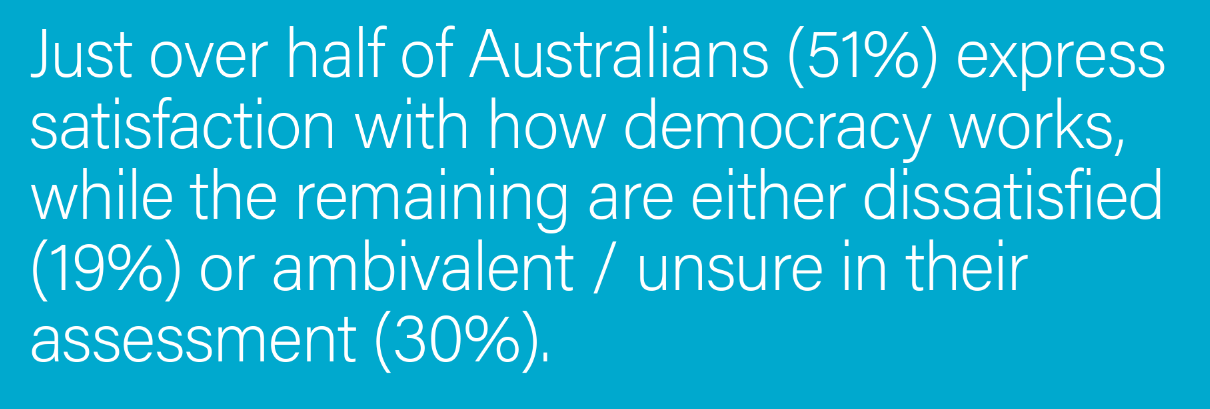
Disconnection has consequences. When people feel unheard, trust declines, participation weakens, and democratic legitimacy is put under strain.
Rebuilding trust requires more than better communication. It depends on creating more meaningful ways for citizens and representatives to interact, listen to one another, and work through complex public problems.

This moment should not be understood simply as Australians turning away from democracy. Many are looking for new and more effective ways to take part in it.
There is growing interest in democratic practices that are not only representative, but also participatory, deliberative and responsive. Citizens want political systems that give them a stronger voice between elections, not just at the ballot box.
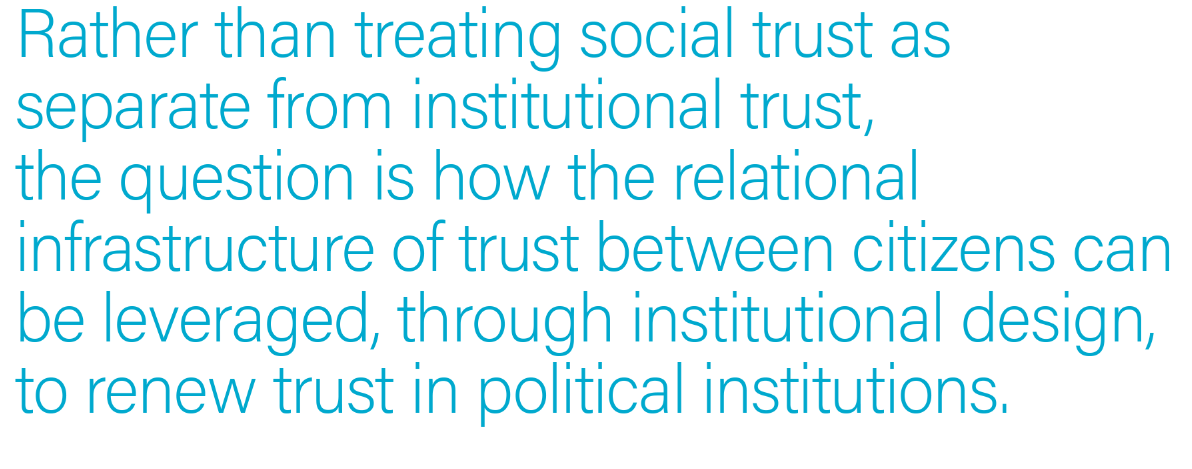
Strengthening citizen participation in political decision-making is essential to rebuilding trust in democratic institutions.
Democratic innovation is urgently needed. And understanding the sources of institutional and political inertia to democratic reform is critical.
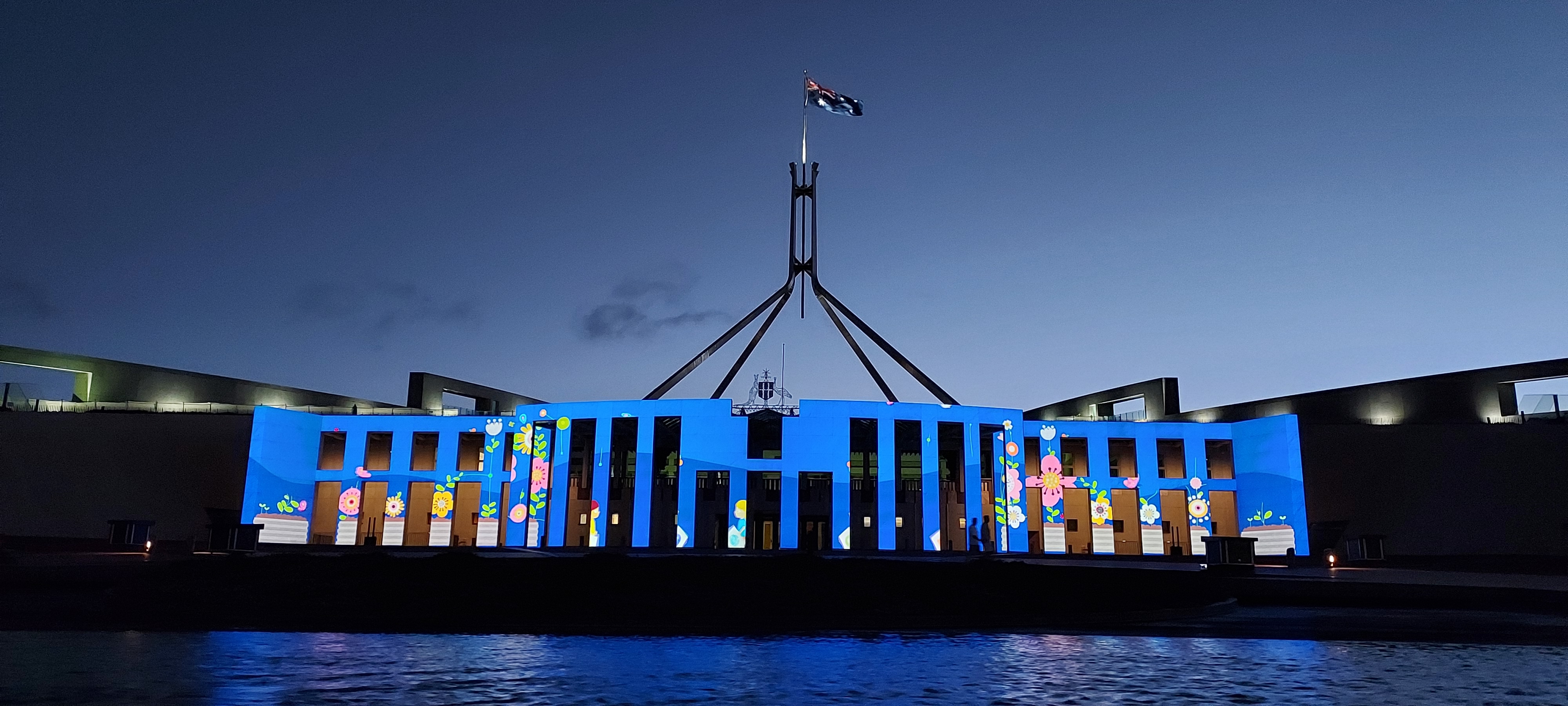
Read the findings from our nationally representative survey in the 2025 Bridging the Gap report.